By Collins Odhiambo Owino
Author | DatalytIQs Academy
Source: IMF World Economic Outlook (October 2025)
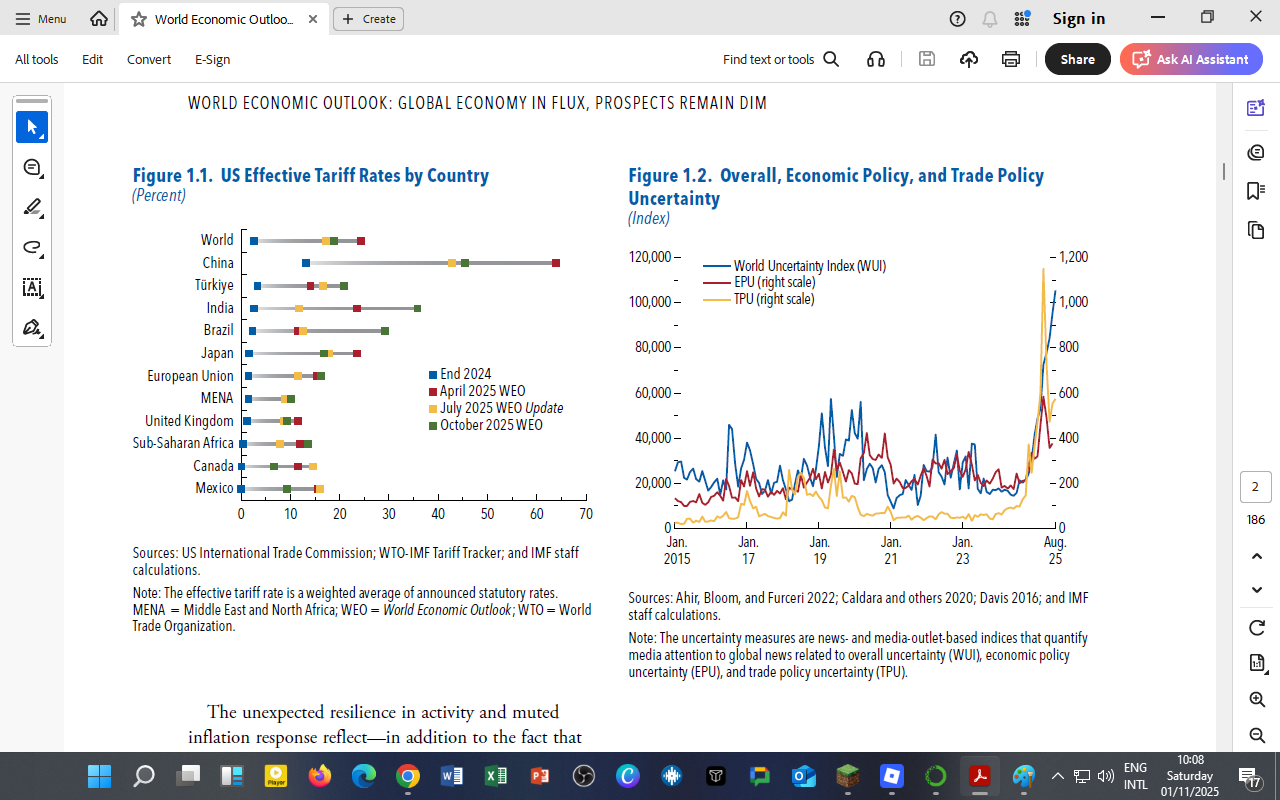
Figure 1 – Trade Barriers and Global Tensions

US Effective Tariff Rates by Country:
-
Tariff levels have risen across nearly all major trading partners between end-2024 and October 2025, with the world average exceeding 25%.
-
China faces the steepest increase — tariff rates jumping to nearly 60–65%, reversing years of liberalization.
-
Emerging markets such as India and Brazil also see moderate hikes, reflecting protectionist spillovers.
-
For Sub-Saharan Africa, average tariffs remain below 15%, but indirect effects (through higher import prices for machinery and inputs) are significant.
Interpretation:
Rising tariffs constrain global value chains, reduce investment confidence, and contribute to slower global trade volumes — directly explaining the IMF’s downward revision of global growth to 3.2% (2025) and 3.1% (2026).
Figure 2 – Policy Uncertainty and Economic Volatility

The chart tracks three indices:
-
WUI (World Uncertainty Index) – measures overall global uncertainty.
-
EPU (Economic Policy Uncertainty) – reflects media-based mentions of fiscal or monetary uncertainty.
-
TPU (Trade Policy Uncertainty) – quantifies trade-related policy risks.
By August 2025, all three indices spike sharply:
-
The WUI surpasses 100,000 points — the highest since 2020.
-
The TPU soars above 1,000 on its index scale, highlighting renewed anxiety about cross-border tariffs.
-
Such spikes typically coincide with global market slowdowns, commodity-price swings, and volatile capital flows into emerging economies.
Economic and trade uncertainty are now systemic risks, feeding through to exchange-rate volatility, capital-market stress, and slower investment — effects that inevitably reach African economies through weaker export demand and higher borrowing costs.
Implications for Kenya and Sub-Saharan Africa
| Channel | Global Shock | Kenya’s Exposure |
|---|---|---|
| Trade | Reduced demand for exports, higher import costs | Tea, coffee, and horticultural exports affected; machinery imports costlier |
| Finance | Tight global liquidity, higher risk premiums | Rising external debt service costs |
| Policy Transmission | US/EU rate hikes | Higher domestic lending and T-bill yields |
| Investor Confidence | Elevated uncertainty | Slower FDI inflows and currency volatility |
Kenya’s policy response should focus on:
-
Strengthening regional value chains under AfCFTA.
-
Deepening domestic capital markets to reduce foreign-debt exposure.
-
Expanding green and digital sectors that attract diversified investment.
Data and Acknowledgment
Figure Sources: IMF World Economic Outlook (October 2025) — Figures 1.1 & 1.2.
Data Sources: US International Trade Commission, WTO-IMF Tariff Tracker, Ahir et al. (2022), Caldara et al. (2020), Davis (2016).
Acknowledgment: International Monetary Fund (IMF) for open global data that informs comparative economic analysis.
Author: Collins Odhiambo Owino, DatalytIQs Academy
Leave a Reply
You must be logged in to post a comment.